Treatment protocol
The first visit
For the doctors of the Identiq Clinic, the phrase "Every patient is a human being – not just a mouth to be repaired" is the driving factor behind all the actions they carry out in the dental sphere. Consequently, every consultation is personalised for each individual patient and can last between three quarters of an hour and one hour. During this first meeting, a thorough examination of the entire oral cavity is carried out and possible treatment directions are established, together with the paraclinical examinations required subsequently: medical tests, radiological examinations, and any interdisciplinary consultations (ENT, cardiology, etc.). This meeting is also the one in which the patient expresses their wishes regarding their vision of the final outcome of the treatments – in other words, they communicate what they wish to obtain from the collaboration with our clinic, a very important aspect in establishing the treatment plan. In exceptional cases, the first visit may include the emergency treatment of dental pain or infection, if the patient presents specific symptoms (acute pain, abscess, dental fractures, fractures of the jaw bones).
The second visit
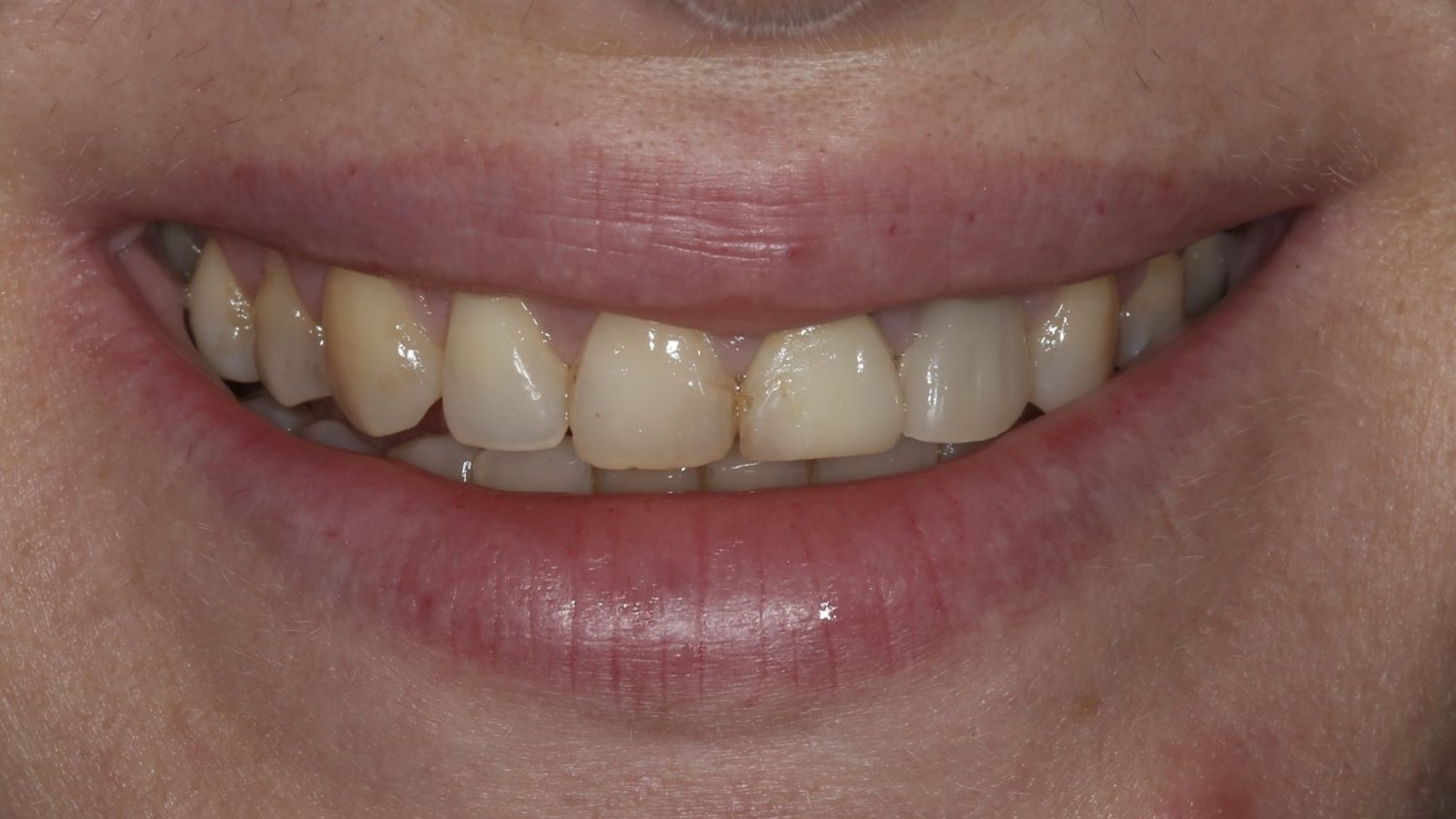
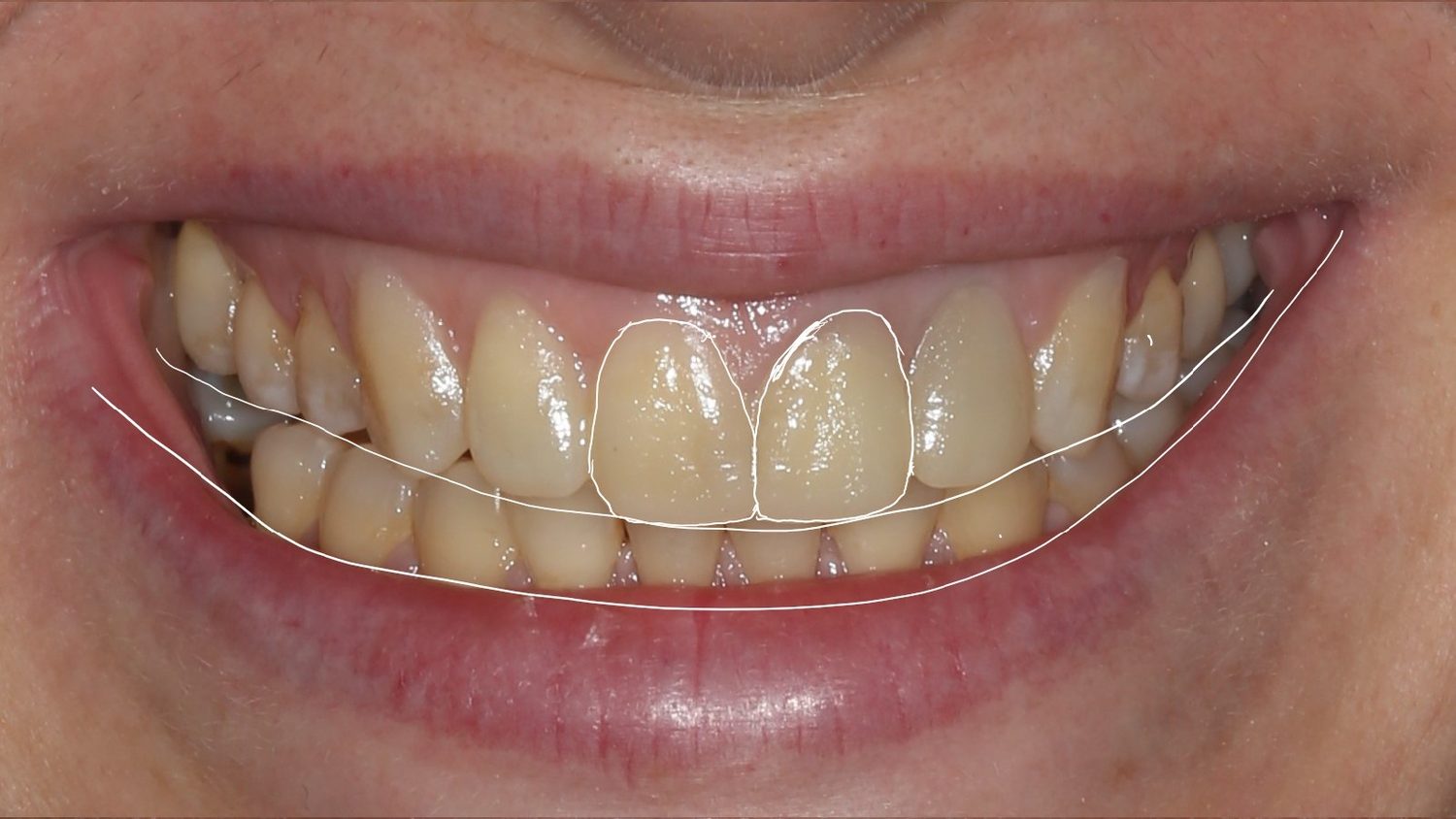
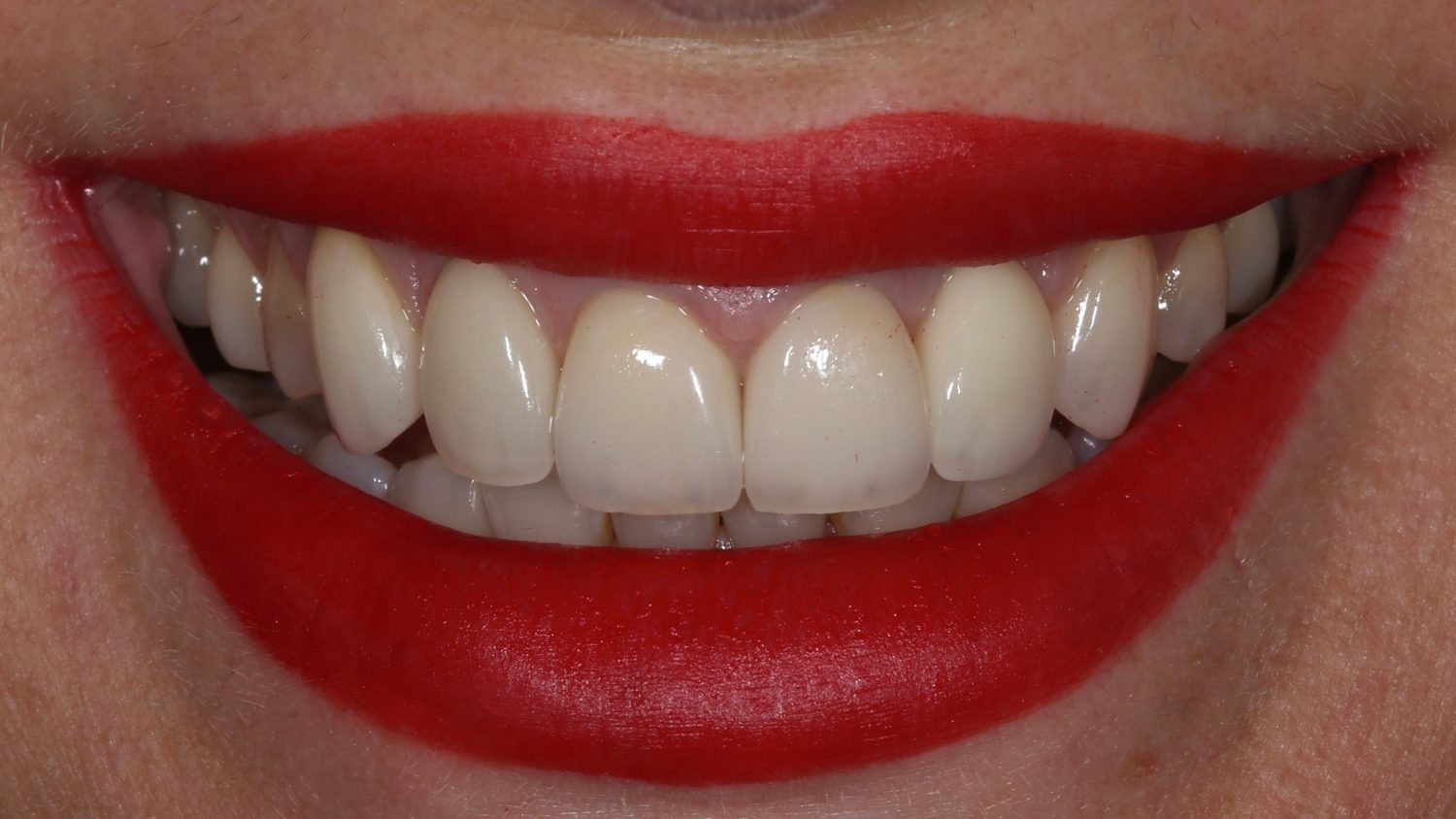
From the second consultation onwards, the aim is no longer merely to gather data for an immediate and imminent problem; rather, the examinations are complex, covering every surface of the teeth, the periodontium, the skeletal system, as well as the existing restorations, the shape of the face and of the cheeks. The examination of the dental field is often supplemented by radiological examinations, diagnostic photographs, study models and diagnostic models, all of which provide the doctors with comprehensive information about the dento-maxillary apparatus. The radiological examination is used to diagnose the hidden problems of the oral cavity: caries, bone lesions (tumoural formations), the presence or absence of tooth germs, malformations of the teeth and bone structures, variations in bone volume. Diagnostic photographs serve to record the initial state, aspects related to any anomalies that have led to changes in the profile, and colour differences imperceptible to the naked eye. They represent the necessary basis on which the dentists and dental technicians can work virtually, so that the entire team (doctor, technician, patient) can visualise the final results of the treatments before starting them. In this way, the patient can express their opinion on the concordance between their vision and that of the doctor, validating the chosen solution or requesting changes where appropriate. Study models are made on the basis of intraoral impressions and are needed in order to analyse certain details in depth: the dental occlusion (the contact between the upper and lower teeth), the malpositioning or absence of certain teeth. Diagnostic models help to visualise the possible outcomes by fabricating wax-ups on the model, leading to the early detection of the difficulties specific to each individual case and to the highlighting of the need for any additional procedures. Once the treatment plan has been validated by the patient as well, it will be implemented over several treatment sessions, with the patient being scheduled with the specialists in accordance with the agreed protocol.